I Love You Mom Happy Mother’s Day Shirt
A Designer’s First Look: Warm, Simple, and Instantly Recognizable
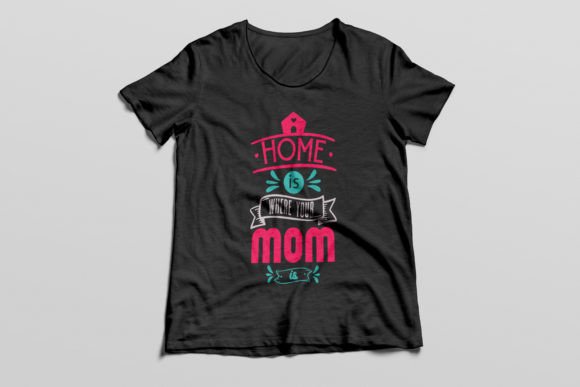
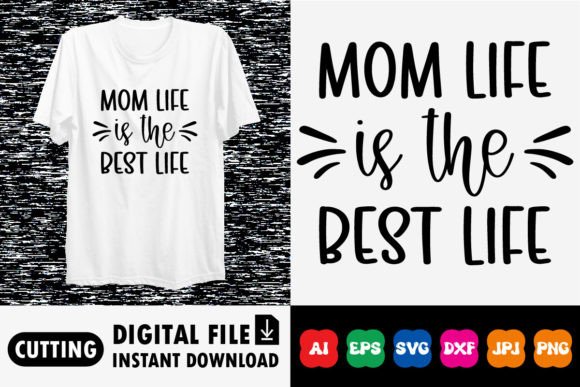
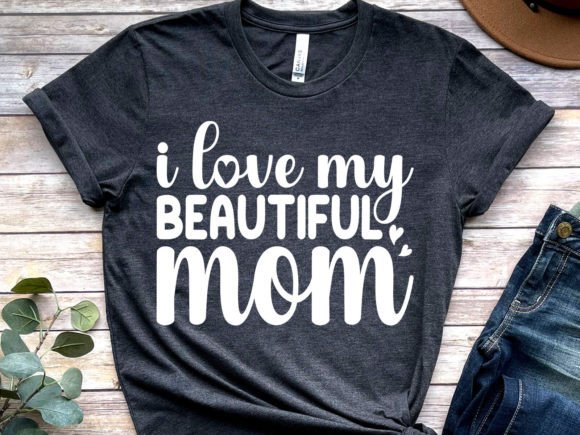
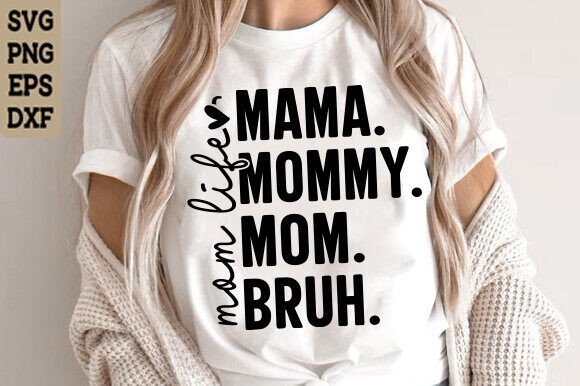
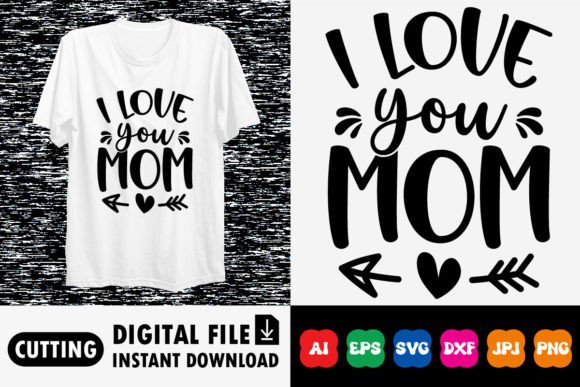
When I opened I Love You Mom Happy Mother’s Day Shirt, my first thought wasn’t “cute”—it was “clear.” The layout is clean, centered, and uncluttered: a gentle curve to the phrase, soft letterforms with subtle rounded edges, and balanced spacing that reads well even at a glance. It doesn’t shout—it smiles. That’s valuable in embroidery, where visual noise can quickly overwhelm a garment or accessory. As a designer who’s stitched hundreds of Mother’s Day projects—from baby onesies to linen tea towels—I immediately saw how this design fits into real-life making: not as a flashy statement, but as a heartfelt anchor on something handmade and personal.
Where It Shines: Sweatshirts, Totes, and Thoughtful Gifts
I tested I Love You Mom Happy Mother’s Day Shirt on a medium-weight cotton sweatshirt and a natural canvas tote bag—two staples for small shop owners and Etsy sellers. On both, it stitched cleanly with minimal puckering. The letter height sits comfortably between 3.5"–4.5", making it ideal for chest placements on adult apparel or center-front panels on totes and pillow covers. It’s also gentle enough for baby embroidery: I resized it slightly (to ~2.75") for a onesie mockup, and the curves held up well in satin stitch—no thinning or breakage in the corners.
This isn’t an applique design or a dense fill-stitch landscape—it’s a confident, mid-weight script that relies on legibility over ornamentation. That makes it perfect for custom apparel, embroidered patches, aprons, and kitchen towels where clarity matters more than complexity. For boutique branding or holiday gift lines, it adds sincerity without sacrificing polish. Customers recognize the sentiment instantly—and that builds trust faster than any clever font ever could.
Where to Pause: Texture, Scale, and Fabric Realities
That said, I Love You Mom Happy Mother’s Day Shirt asks for thoughtful execution—not because it’s flawed, but because it’s designed to feel handmade, not mass-produced. On highly textured fabrics like bouclé or thick terry cloth, the fine interior curves of letters like “e” and “o” may soften visually. On stretchy knits (think lightweight tees), stabilizer choice becomes critical: a light cutaway + tear-away combo keeps the script from distorting during stitching. And on dark fabric? Test your thread color contrast early. A warm cream or heather gray thread reads softer and more intentional than stark white—especially for gifts meant to feel personal, not promotional.
I’d avoid placing it directly over seams or curved surfaces like cap fronts unless you’ve confirmed the file includes proper underlay or has been digitized for low-stretch zones. Also, while it works beautifully on flat panels, don’t assume it’ll translate seamlessly to rolled hems or layered garments (like reversible zip hoodies) without repositioning and hoop-size verification.
Practical Notes Every Embroidery Designer Should Check
- Test first—on scrap fabric matching your final project’s weight and weave.
- Review stitch density: This isn’t a high-fill design, but check whether tight curves carry enough satin coverage to avoid thread skipping on slower machines.
- Confirm hoop size: The original file likely fits standard 4"x4" hoops, but verify before batching orders—especially if scaling for larger tote bags or pillow covers.
- Inspect small details: Zoom in on the tail of the “y” and the crossbar of the “t”—these are common trouble spots in script files.
- Mock it in black and white: Does the phrase retain its warmth when stripped of color? If yes, you’re set for consistent branding across product photos and printable mockups.
- Stabilizer matters: Use medium-weight tear-away for stable wovens; switch to cutaway for knits or delicate linens.
- Licensing check: Since this is marketed as a digital embroidery file for T-Shirt Designs and Graphics, confirm whether commercial use (e.g., selling finished embroidered sweatshirts on Etsy) is permitted before listing.
Why It Works for Craft Businesses—Beyond Just Mother’s Day
Yes, it’s labeled for 2024 Mother’s Day—but as a craft business owner, I see longer legs here. Swap “Mom” for “Nana,” “Mama,” or “Grandma” in your own digitizing workflow (if licensing allows), and you’ve got a year-round family-gift asset. Pair it with a simple floral motif or single stem (digitized separately) and it becomes a cohesive collection—not just a standalone graphic. For digital product sellers, bundling I Love You Mom Happy Mother’s Day Shirt with coordinating SVGs or PNG overlays increases perceived value without extra design lift.
Most importantly, it supports authenticity. In a market flooded with overly ornate or AI-generated scripts, this design feels human-scaled and hand-tuned. That shows in the finished product: no jagged joins, no awkward kerning, no forced flourishes. When customers hold a tote bag or pillow cover stitched with this file, they feel the care—not just the message.
Final Thought: A Reliable Tool, Not a Trend
I Love You Mom Happy Mother’s Day Shirt won’t win awards for innovation—but it doesn’t need to. It’s a well-proportioned, emotionally resonant machine embroidery design built for repetition, reliability, and real-world wear. Whether you’re prepping for craft fair season, building an Etsy shop around personalized gifts, or creating limited-run boutique merchandise, this is the kind of embroidery file that quietly lifts your output: clear at 3 feet, warm at 3 inches, and trustworthy at every stitch.
Just remember: great embroidery starts before the needle drops. Read the file notes, test on your actual fabric, and let the simplicity do the work. Because sometimes, the most powerful design decisions are the ones that leave space—for love, for mom, and for the quiet pride of making something that truly fits.