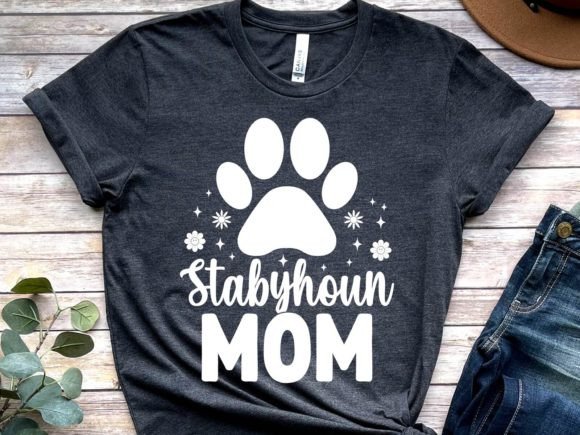
Stabyhoun Mom
A Designer’s First Look: Clean, Warm, and Ready for Real Stitching
When I opened Stabyhoun Mom for the first time, what struck me wasn’t just the breed accuracy—it was the quiet confidence in its simplicity. This isn’t a fussy, over-detailed illustration meant for framing; it’s a purpose-built machine embroidery design with clear silhouette language, balanced negative space, and intentional line weight. As someone who’s stitched hundreds of pet-themed designs for baby onesies, boutique totes, and custom sweatshirts, I immediately saw where Stabyhoun Mom fits: not as background filler, but as a warm, grounded focal point.
Real Project Test: A Linen Tote Bag for a Local Dog Rescue Pop-Up
Last week, I used Stabyhoun Mom on a natural linen tote—medium-weight, slightly textured, no stretch. Paired with soft ecru thread on the front and a subtle “Rescue Love” script on the back, it became the centerpiece of a small-batch holiday collection. The design held up beautifully: clean satin stitch outlines defined the Stabyhoun’s gentle expression and distinctive head shape, while open areas (like the ear interior and collar space) kept stitch density manageable. No puckering. No thread breaks. Just honest, hand-finished charm. Customers paused—not just to read the text, but to trace the dog’s outline with their fingers. That’s the sign of a design that reads well *in cloth*, not just on screen.
Where It Shines—and Where You’ll Want to Pause
Stabyhoun Mom excels on stable, medium-to-heavy fabrics: cotton twill aprons, fleece-lined sweatshirts, canvas pillow covers, tea towels, and structured caps. Its confident lines translate clearly at 3.5–4.5 inches wide—the sweet spot for most custom apparel and personalized gift applications. On baby onesies or lightweight tees? Scale down carefully. The ears and collar details hold up well, but avoid going smaller than 2.75 inches unless you’ve tested stitch clarity on your machine and fabric combo.
- Dark fabric? Works strongly in white or cream thread—those clean PNG and SVG files make color-swapping effortless.
- Stretchy knits? Use cutaway stabilizer underneath and slow your machine speed. The design’s moderate stitch density handles stretch better than ultra-dense florals, but don’t skip stabilization.
- Curved surfaces (like caps)? Hoop tightly and consider splitting the design into two sections if your hoop is under 4 inches. The balanced proportions help it sit naturally on rounded seams.
- Frequent washing? Avoid dense fill-stitch backgrounds behind the dog—stick to the provided black/white versions. They’re optimized for durability, not decoration.
Design Assets That Support Your Craft Business
What makes Stabyhoun Mom especially valuable for Etsy sellers, small shop owners, and craft business creators is how thoughtfully the files are delivered. You get both black and white versions across PNG (print-ready), EPS (vector for resizing), SVG (ideal for Cricut/Silhouette users), and two clean mockups. That means you can:
- Show customers exactly how it looks on a light or dark tote before they order;
- Resize confidently for patches, iron-ons, or multi-size apparel listings;
- Create consistent branding across digital previews, social posts, and printed tags;
- Offer quick customization—swap thread colors, add names, or pair with simple borders without redrawing.
No fluff. No redundant layers. Just organized, production-ready digital embroidery file assets. For anyone managing inventory across platforms—or prepping for a craft fair—it cuts prep time in half.
What It Adds to Your Finished Product (Beyond the Stitch)
Embroidery isn’t just about thread and fabric—it’s about emotional resonance. Stabyhoun Mom lands with sincerity, not cliché. It feels personal without being overly sentimental. That builds customer trust, especially for niche audiences: Dutch breed lovers, rescue advocates, or families choosing meaningful nursery decor. When stitched cleanly, it elevates a basic kitchen towel into a keepsake. It turns a plain sweatshirt into a conversation starter. And for handmade shops, that perceived value lets you price thoughtfully—not just for labor, but for storytelling.
Practical Notes Every Embroidery Designer Should Check
Before stitching your first embroidered patch or listing a tote bag design on Etsy:
- Test on scrap fabric first—especially if using textured or dark material. See how the white version reads against navy denim or charcoal fleece.
- Review stitch density in your embroidery software. If filling the collar or ear base feels heavy, reduce density by 5–8% for breathability.
- Confirm hoop size compatibility. The design fits comfortably in a 5×7 hoop, but verify spacing if combining with text or borders.
- Inspect small details at actual stitch size: the eye, nose dot, and collar tag should be legible—not lost in thread fuzz.
- Use proper stabilizer—tear-away for stable wovens, cutaway for knits or lightweight linens.
- Check licensing before selling finished items or reselling the digital file. The product description doesn’t state terms—verify before commercial use.
Final Thought: A Design That Respects the Maker and the Wearer
Stabyhoun Mom doesn’t shout. It doesn’t need glitter or gradients to stand out. What it offers instead is reliability—clean lines that stitch true, thoughtful file organization, and visual warmth that translates across holiday embroidery, baby embroidery, and everyday small shop product lines. Whether you’re stitching for joy, profit, or purpose, this is a graphics asset that works quietly, consistently, and well. It’s the kind of design that makes your clients say, “I love how real it feels”—and that’s the highest compliment any handmade product can earn.