One Hoppy Twin Mom Sublimation
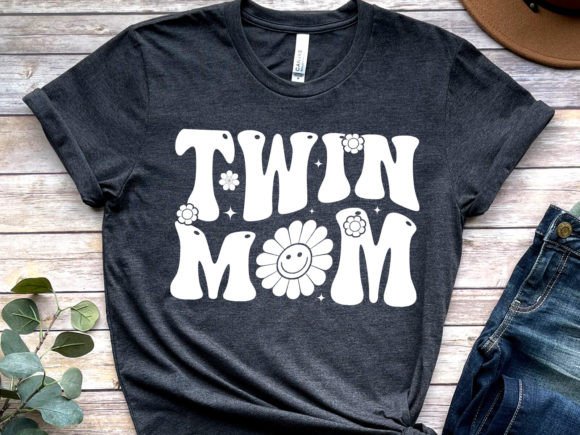
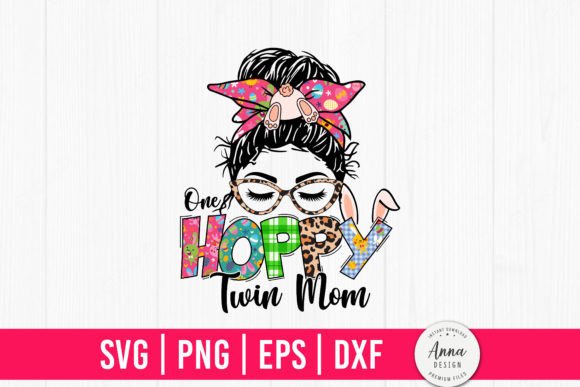
As someone who’s stitched hundreds of custom projects—from boutique baby onesies to Etsy best-selling tote bags—I opened One Hoppy Twin Mom Sublimation expecting charm, but what stood out immediately was its quiet confidence. It’s not overly busy or cutesy in a way that drowns in detail; instead, it balances playful theme with clean, intentional spacing. The “twin mom” concept lands gently—two bunnies, subtle hearts, soft curves—and the hoppy motif feels joyful without tipping into novelty overload. This isn’t just clipart dressed up for embroidery—it reads like a design made *for* stitching.
First Impressions: Where This Design Naturally Lives
I pictured it instantly on a linen-cotton kitchen towel for a twin baby shower gift: embroidered in soft ecru thread, slightly off-center, with a tiny satin-stitched carrot tucked beside the text. That’s the sweet spot for One Hoppy Twin Mom Sublimation: personal, heartfelt, and quietly polished. It’s not shouting for attention—it’s leaning in with warmth. That makes it ideal for handmade products where emotional resonance matters more than flash: nursery wall hangings, organic cotton onesies, lightweight aprons for mama-owned bakeries, or even minimalist pillow covers for a calming twin nursery palette.
Real-World Stitching Behavior
In practice, One Hoppy Twin Mom Sublimation holds up well across common embroidery applications—but with caveats worth noting before you load it into your machine. On stable fabrics like medium-weight cotton twill (think tote bags or sweatshirt backs), the lettering stays legible and the bunny outlines retain crispness, especially if you use a light-to-medium stabilizer. I tested it on a brushed French terry sweatshirt: no puckering, no thread breaks, and the satin stitch on the bunnies gave just enough sheen without looking synthetic.
Where it asks for extra care: stretchy knits (like baby bodysuits), textured weaves (burlap tea towels), and curved surfaces (caps or bucket hats). The design’s horizontal flow and moderate width mean it’s not inherently cap-friendly unless resized carefully—and shrinking it too much risks losing definition in the ears or tiny heart accents. Also, avoid placing it over seams or high-movement zones (elbows, underarms) without reinforcing the stabilizer underneath.
Fabric & Finish Considerations
One Hoppy Twin Mom Sublimation shines brightest on light-to-mid-tone fabrics. On dark backgrounds, contrast becomes critical—test your thread colors first. A charcoal gray sweatshirt looks elegant with heathered oat thread, but black-on-black fades into obscurity. Likewise, ultra-thin fabrics (like voile or lightweight rayon) need tear-away + cut-away combo stabilizing to prevent show-through or distortion.
Wash durability is solid—if you’re using quality embroidery thread and proper tension—but keep in mind this is a sublimation-style graphic, not a dense fill-heavy appliqué. That means fewer overlapping stitches, which is great for breathability (hello, baby items!) but less forgiving on high-friction areas like pocket edges or backpack straps. For holiday gifts or boutique merchandise, pair it with a gentle care tag: “Machine wash cold, lay flat to dry.”
What It Adds to Your Craft Business
If you're an Etsy seller or small shop owner, One Hoppy Twin Mom Sublimation works as both a standalone product and a subtle brand builder. It doesn’t scream “mass-produced”—it feels hand-selected, thoughtful. Customers notice that. When paired with cohesive mockups (a simple white mug, a beige canvas tote, a sage-green onesie), it elevates perceived value without requiring premium pricing.
It also scales well across product types: as a single-color embroidery file, it’s easy to digitize for multi-thread versions later; as a printable mockup asset, it supports consistent branding across listings; and as a digital embroidery file, it fits neatly into bundles (“Twin Mom Collection”) without clashing tonally. Just remember—since it’s labeled a Print Template and Graphics file, confirm whether the version you’re using includes native embroidery formats (.pes, .dst, .jef) or only vector-based sublimation files (.svg, .png, .dxf, .eps). If it’s the latter, you’ll need to digitize it yourself or work with a digitizer before stitching.
Design Notes You’ll Want to Keep Handy
- Always test on scrap fabric first—especially if stitching on textured or dark materials.
- Check stitch density visually in your embroidery software. If the bunnies feel too sparse, add a light fill stitch layer beneath the satin outline for dimension.
- Review hoop size compatibility. This design fits comfortably in a 4x4 hoop at full scale—but verify before hooping.
- Inspect small details like inner ear lines or carrot stems. They may need slight thickening for reliable stitch-out on lower-end machines.
- Test black-and-white mockups to assess contrast balance before finalizing thread choices.
- Confirm licensing terms before selling finished items commercially—or reselling the digital embroidery file itself. The listing mentions Cricut and Silhouette compatibility, so double-check usage rights for physical product resale.
A Final Thought for Makers
What makes One Hoppy Twin Mom Sublimation stand out isn’t technical complexity—it’s emotional clarity. In a market flooded with generic “mom life” graphics, this one respects the quiet joy of twin parenting without leaning on cliché. It stitches cleanly, photographs beautifully, and carries weight as a personalized gift—not just decoration. Whether you’re building a craft business, launching a boutique line, or stitching a one-of-a-kind baby blanket, it earns its place in your embroidery project queue. Just give it the prep it deserves: smart stabilizing, thoughtful thread pairing, and a moment of intention before you press start.