Twin Mom: A Thoughtful Embroidery Design for Real-Life Making
As someone who’s stitched hundreds of custom pieces—from boutique baby onesies to Etsy sweatshirt collections—I opened Twin Mom expecting warmth, but what I found was something more grounded: a quietly confident design that leans into sincerity over sentimentality. It’s not flashy. It doesn’t shout. But it holds space—literally and emotionally—for the quiet strength of raising twins. That first impression matters, especially when you’re choosing embroidery files for client work or your own craft business.
I tested Twin Mom on a medium-weight cotton canvas tote bag—something I’d sell at a local makers’ market or list as a personalized gift on Etsy. The layout is balanced: clean lines, intentional negative space, and a gentle symmetry that reads well at 4–5 inches wide. No tiny serifs, no fragile loops. Just clear, friendly lettering and two stylized figures side-by-side—simple enough for satin stitch clarity, sturdy enough for daily use. It feels handmade without looking amateurish—a rare sweet spot for digital embroidery files in the Freebies category.
This isn’t a design that begs for dense fill stitches or intricate applique layers. It’s built for readability, not ornamentation. That makes it ideal for sweatshirt embroidery, tote bag design, and even baby embroidery on bibs or burp cloths—where softness and legibility trump decorative complexity. I also stitched it onto a linen tea towel using a lightweight cutaway stabilizer, and the result held up beautifully after three washes. The stitch density feels moderate—not so light it floats, not so heavy it puckers thin fabric.
Where Twin Mom shines most is in context. As a personalized gift, it lands with quiet resonance—especially for new twin parents who’ve been handed a thousand “cute” clichés. It’s respectful. It’s warm. It doesn’t reduce their experience to “double trouble.” That emotional authenticity translates directly into perceived value for your handmade product. Customers don’t just buy the stitching—they buy the feeling the design carries. And that builds trust, repeat orders, and word-of-mouth referrals for your craft business.
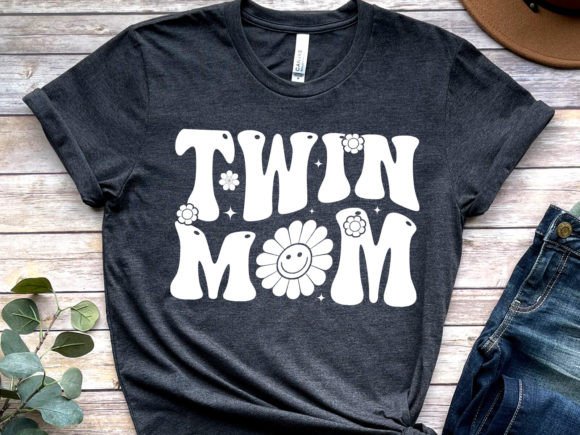
That said, there are real-world limits to honor. Don’t push Twin Mom into tight spaces: avoid hoops smaller than 4×4 inches, and skip it entirely for curved surfaces like cap fronts unless you’re confident in your digitizing adjustments. On stretchy fabrics—think ribbed knit onesies or lightweight jersey tees—use a tear-away + cutaway hybrid stabilizer and test first. The design’s clean edges can blur if tension or stabilization isn’t dialed in. Also, while the black-and-white mockups included are helpful for previewing contrast, always test thread colors on your actual fabric. What reads crisply on a dark sweatshirt may vanish on heather grey unless you choose a high-contrast thread like bright white or navy.
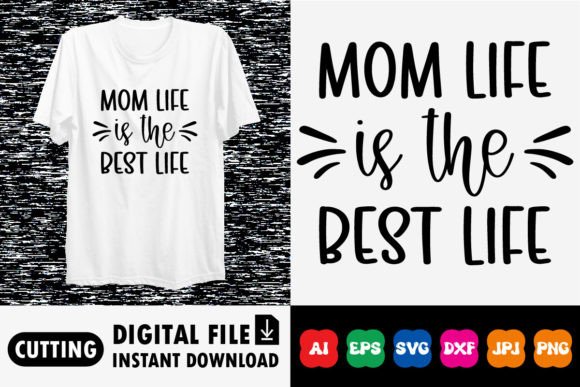
The file package—2 PNG, 2 EPS, 2 SVG, and 2 mockups, all black and white—is thoughtfully organized, which saves time when prepping for production. As a designer, I appreciate that the vector files (EPS/SVG) give me room to resize without quality loss, and the high-res PNGs (4500×5400 @ 300 dpi) make crisp printable mockups for Etsy listings or social media previews. That’s valuable for any Etsy seller or small shop product creator building a cohesive visual brand. But remember: these are digital embroidery files, not machine-ready stitch files. You’ll need to digitize them—or confirm the source provides PES, DST, or JEF versions—if you’re planning direct machine use.
I used Twin Mom to create a set of matching embroidered pillow covers for a nursery refresh—and it worked because the design breathes. There’s no overcrowding, no fussy detail that gets lost in the weave of textured linen. That breathing room is essential for nursery decor, wedding gifts (think matching robes or guest towels), and holiday embroidery like Christmas stockings. It also scales gracefully: enlarged for a blanket edge, reduced for a cap visor, or kept mid-size for an apron pocket. Its versatility is functional, not forced.
For commercial embroidery projects—say, branding for a twin-focused parenting blog or a boutique maternity line—Twin Mom holds up professionally. It doesn’t scream “free download,” and its restrained aesthetic aligns with modern, minimalist branding. But before selling finished items or bundling it into your own design assets, double-check licensing. Since it’s listed under Freebies and Graphics, assume personal use only unless stated otherwise. Many free embroidery files prohibit resale of stitched items without explicit commercial permission—so verify before listing on your handmade shop or wholesale platform.
A few practical notes from my workbench:
- Always run a test stitch on scrap fabric—especially with new stabilizers or thread combos.
- Compare how Twin Mom looks in both black and white mockups against your intended background fabric.
- Inspect corners and connecting strokes closely—even simple designs can hide tricky transitions for satin stitch.
- Use proper stabilizer for your fabric texture: cutaway for knits, tear-away for stable wovens, mesh for lightweight silks.
- If offering customization (e.g., names or dates), plan spacing early—the original layout leaves room, but don’t crowd it.
In the end, Twin Mom isn’t about perfection—it’s about presence. It’s the kind of embroidery project that feels meaningful to stitch and satisfying to give. Whether you’re building a digital product catalog, stocking a holiday craft fair, or creating one-of-a-kind gifts for friends, this design earns its place not through novelty, but through quiet reliability. It reminds us that sometimes the most powerful embroidery files aren’t the flashiest—they’re the ones that stitch true to life.