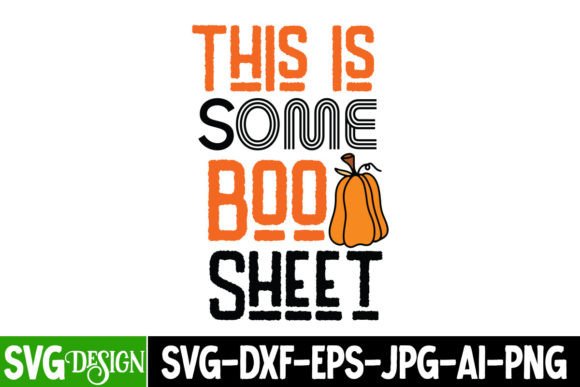
This is Some Boo Sheet T-shirt
A Retro Halloween Vibe That Stitches With Personality
First glance at This is Some Boo Sheet T-shirt lands like a crisp October breeze—playful, slightly cheeky, and unmistakably nostalgic. It’s not spooky-scare; it’s warm, retro-hued Halloween charm: think vintage candy wrappers, mid-century cartoon witches, and pumpkins with personality. The layout feels balanced—not too dense, not too sparse—with clear negative space around key elements like the witch silhouette or pumpkin motif. As an embroidery designer who’s stitched hundreds of holiday pieces for boutique clients and Etsy shops, I immediately read this as a design built for readability *in thread*, not just on screen. It doesn’t scream “digital overload.” Instead, it invites thoughtful stitch placement—ideal for sweatshirt embroidery, tote bag design, or baby embroidery where clarity matters more than complexity.
Where This is Some Boo Sheet T-shirt Shines in Real Projects
I recently prepped a small batch of embroidered cotton aprons for a local bakery’s Halloween pop-up—and This is Some Boo Sheet T-shirt was my top pick for the left-chest placement. Why? Because its clean outlines translate beautifully into satin stitch borders, and its moderate detail level holds up even at 3.5” wide. On medium-weight twill, the witch’s hat and pumpkin stem stayed sharp without excessive fill stitch density. It also worked seamlessly as an embroidered patch backing for denim jackets—no puckering, no thread nesting, just confident, handmade product energy.
For craft business owners: this design fits naturally into curated holiday collections—think tea towels with coordinating fall svg motifs, pillow covers for nursery decor, or personalized gifts like toddler sweatshirts. Its retro tone bridges generations: grandparents smile at the styling, kids love the whimsy, and Etsy sellers get consistent buyer engagement from shoppers searching “vintage Halloween embroidery” or “cute witch design.” As a digital embroidery file, it’s versatile enough to scale down for caps (with minor simplification) or expand for blanket corners—but only if your machine handles moderate stitch counts comfortably.
Where to Pause Before Pressing Start
Not every surface welcomes This is Some Boo Sheet T-shirt equally. On stretchy fabric like jersey tees? Proceed with caution—use cutaway stabilizer and reduce stitch density where possible, especially around curved areas like sleeve hems or necklines. Thin fabrics (baby onesies, lightweight linen tea towels) need extra stabilization beneath the hoop size you choose; otherwise, those charming little details—like the witch’s broom bristles or pumpkin vine tendrils—can blur or distort.
Dark fabric demands thoughtful thread colors: avoid pale yellows or off-whites that mute contrast. Test the design on scrap first using your intended thread palette—what reads well on screen rarely matches thread behavior under needle tension. And while the design works beautifully on flat surfaces like tote bags or pillow covers, avoid placing it across high-curve zones like baseball cap fronts unless you’re experienced with digitized curve compensation. Also note: tiny lettering (if present in alternate versions) may not resolve cleanly below 2.75”—always inspect small details at actual stitch size before committing to production.
Design Assets That Build Trust—Not Just Decor
Customers don’t buy pixels—they buy confidence in craftsmanship. When This is Some Boo Sheet T-shirt appears on a hand-stitched kitchen towel or boutique sweatshirt, it signals intentionality. The retro aesthetic feels cohesive, not chaotic. That consistency strengthens brand recognition across your small shop product line—whether you’re listing on Etsy, selling at craft fairs, or building printable mockups for social media. Buyers notice when a design respects fabric behavior and stitch logic. They trust makers who deliver crisp, wash-durable results—and This is Some Boo Sheet T-shirt, when used thoughtfully, supports that trust.
Practical Embroidery Designer Notes You’ll Actually Use
- Always test on scrap fabric matching your final product’s weight and stretch—even if you’ve stitched similar designs before.
- Check thread color contrast against both light and dark backgrounds using physical swatches, not just screen previews.
- Review stitch density in your embroidery software—if fill areas look overly saturated, simplify or adjust underlay.
- Confirm hoop size compatibility before digitizing or resizing; some versions may push standard 4x4 limits.
- Inspect small details at 100% zoom: are fine lines digitized as running stitch or satin? Will they hold after washing?
- Test black-and-white mockups to gauge silhouette strength—this design relies heavily on shape recognition.
- Use proper stabilizer: cutaway for knits, tear-away for stable wovens, and optional topping for textured fabrics like terry cloth.
- Verify licensing before selling finished products or bundling the digital embroidery file commercially—especially if marketing as part of a larger Halloween svg bundle.
Final Thought: A Design That Works—Not Just Looks Good
This is Some Boo Sheet T-shirt isn’t flashy. It doesn’t try to be everything. But as a machine embroidery design, it delivers what matters most: legibility in thread, adaptability across fabric types, and quiet professionalism that elevates handmade product value. Whether you're stitching custom apparel for a seasonal boutique, creating personalized gifts for holiday markets, or building a cohesive line of fall svg assets for digital resale—it earns its place in your embroidery project queue. Just remember: great design judgment starts before the needle drops. So grab your stabilizer, pick your thread, and treat This is Some Boo Sheet T-shirt like the capable, character-filled asset it is.